Shoulder Impingement Treatment in Hyderabad
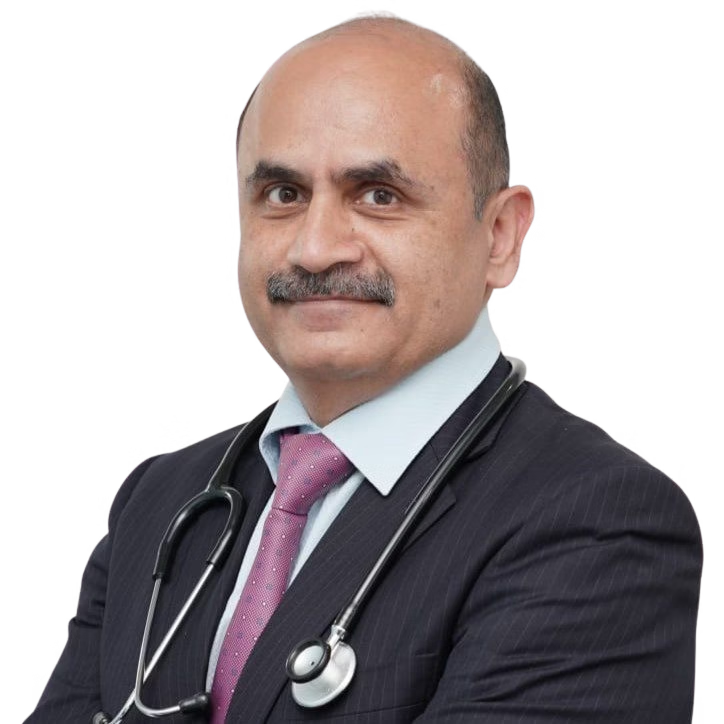
Diagnosis & arthroscopic surgery by Dr. Deepthi Nandan Reddy. 85-90% success rate.
What is Shoulder Impingement?
Shoulder impingement syndrome occurs when the rotator cuff tendons are compressed and irritated as they pass through the narrow space beneath the acromion (the bony roof of the shoulder). This repetitive pinching causes inflammation, pain, and can eventually lead to tendon damage.
The condition is common in people who perform frequent overhead activities such as painters, swimmers, tennis players, and construction workers. It typically develops gradually and worsens over time if left untreated.
Causes and Risk Factors
• Bone spurs on the acromion
• Hooked or curved acromion shape
• Thickened ligaments
• Bursa inflammation
• Repetitive overhead movements
• Poor posture and mechanics
• Muscle weakness or imbalance
• Age-related degeneration
Symptoms
• Pain with overhead activities (reaching, lifting)
• Pain lying on the affected shoulder
• Weakness in the shoulder and arm
• Painful arc of motion (60-120 degrees of elevation)
• Gradual onset worsening over weeks to months
• Night pain interfering with sleep
Diagnosis
Clinical Tests: Specific impingement tests (Neer test, Hawkins test) to reproduce pain and identify the source.
X-rays: Show bone spurs, acromion shape, and rule out other conditions like arthritis.
MRI: Visualizes rotator cuff tendons, bursa inflammation, and extent of any tears.
Injection Test: Local anesthetic injection can help confirm diagnosis if pain is temporarily relieved.
Treatment Options
• Rest and activity modification (avoid overhead activities)
• NSAIDs for pain and inflammation
• Physiotherapy: Stretching, strengthening, posture correction
• Corticosteroid injections for persistent pain
• Gradual return to activities with proper technique
Arthroscopic Subacromial Decompression: Minimally invasive removal of bone spurs and inflamed tissue to create more space for tendons.
Indications: Failed conservative treatment after 3-6 months, significant structural abnormalities, or severe pain limiting function.
Recovery: 3-6 months with early physiotherapy for optimal outcomes.
Recovery Expectations
Conservative Treatment: Improvement typically seen in 6-12 weeks with consistent physiotherapy and activity modification.
Post-Surgery: Pain relief within weeks. Physiotherapy starts immediately. Return to overhead activities at 3-4 months. Full recovery by 6 months.
Prevention: Maintaining good posture, shoulder strength, and avoiding repetitive overhead strain helps prevent recurrence.