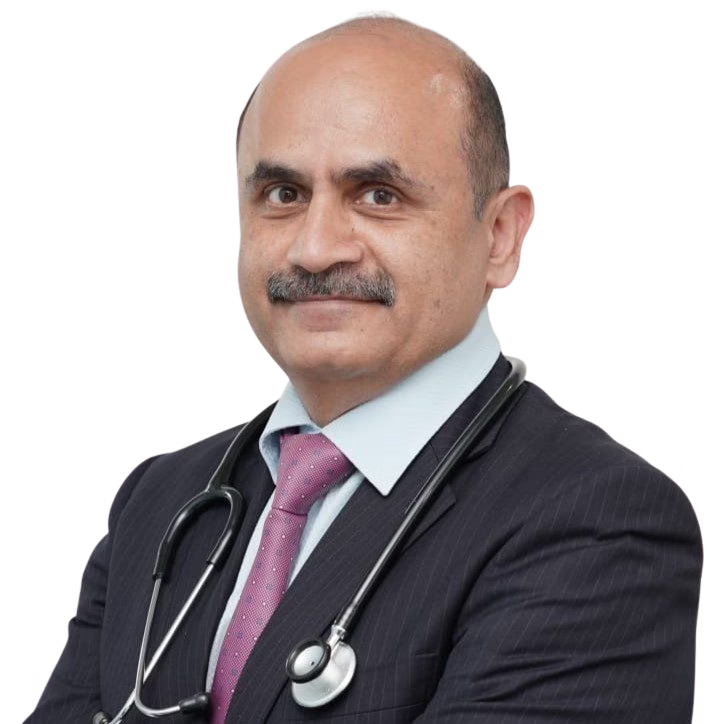
Arthroscopic Shoulder Surgery in Hyderabad
Keyhole procedures by Dr. Deepthi Nandan Reddy at Apollo Hospitals. Less pain, faster recovery.
What is Arthroscopic Shoulder Surgery?
Shoulder arthroscopy is a minimally invasive surgical technique that uses a small fiber-optic camera (arthroscope) and specialized instruments to diagnose and treat a wide range of shoulder problems. The procedure is performed through small incisions, typically 5-10mm in length.
The arthroscope provides high-definition views of the shoulder joint displayed on a monitor, allowing the surgeon to see inside the joint with exceptional clarity. This technology enables precise treatment while minimizing damage to surrounding healthy tissue.
Compared to traditional open surgery, arthroscopy offers significant advantages including less postoperative pain, faster recovery, reduced scarring, lower infection risk, and often better outcomes due to improved visualization and precision.
Conditions Treated Arthroscopically
• Rotator cuff tear repair
• Tendon debridement
• Biceps tenodesis/tenotomy
• Bankart repair (labral tear)
• Capsular tightening
• Ligament reconstruction
• Subacromial decompression
• AC joint resection
• Bone spur removal
• Frozen shoulder release
• Loose body removal
• Cartilage repair
Advantages of Arthroscopic Surgery
Surgical Benefits
• Smaller incisions (5-10mm)
• Better visualization of joint
• More precise treatment
• Less tissue damage
Recovery Benefits
• Less postoperative pain
• Faster recovery time
• Reduced infection risk
• Better cosmetic results
The Procedure
Anesthesia: General anesthesia with regional nerve block for post-operative pain control
Positioning: Patient positioned to allow optimal access to the shoulder (beach chair or lateral decubitus position)
Portals: 2-4 small incisions are made for camera and instruments
Fluid: Sterile saline is pumped through the joint to expand the space and provide clear visualization
Repair: Specialized instruments are used to perform the necessary treatment (removing tissue, repairing tears, securing with anchors/sutures)
Closure: Small incisions are closed with one or two stitches
Duration: 45 minutes to 2 hours depending on complexity
Recovery Process
• Sling use for comfort and protection
• Ice therapy to reduce swelling
• Pain medication as prescribed
• Gentle pendulum exercises
• Wound care and dressing changes
• Begin formal physiotherapy
• Passive and active-assisted range of motion
• Gradual reduction in sling use
• Light daily activities resume
• Progressive strengthening exercises
• Return to work (depending on job demands)
• Gradual return to sports and activities
• Continued improvement in function
Expected Outcomes
Success Rates: Arthroscopic shoulder procedures have success rates of 85-95%, depending on the specific condition treated. Most patients experience significant pain relief and functional improvement.
Return to Activities: Most patients can return to desk work within 1-2 weeks, driving at 4-6 weeks (once off sling), and sports/heavy activities at 4-6 months (varies by procedure).
Long-term Results: With proper rehabilitation, arthroscopic repairs provide durable results. Maintaining shoulder strength and avoiding re-injury are key to long-term success.